A trekking rucksack is a load-carrying tool, not a fashion backpack, so in India the right choice depends on where you trek: humid Western Ghats weekends, multi-day Himalayan routes, or cold high-altitude crossings. Most Indian trekkers over-focus on litres and colour while ignoring back-length fit and hip-belt load transfer, which is what actually decides whether 12kg feels manageable or ruins your knees. Decathlon (Forclaz/Quechua) and Wildcraft cover the affordable end with local service, while imported brands sit at a premium; pick for fit and monsoon-readiness first.
Our top trekking bags picks right now


MOUNTILE TERRAIN X-80L Travel Backpack with Water Proof Rain Cover - Camping Hiking Rucksack Trekking Bag - MTX03
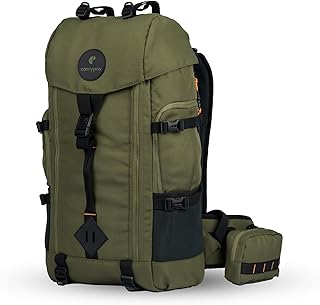
CarryPro HOBO40 v2.0– 40L Functional Travel Backpack for Men & Women, Camping, Biking, Trip, Trekking Bag, ...
Want the full ranked list with filters and live prices?See all trekking bags ranked ›
What actually matters when buying trekking bags
Confused by the jargon? Every term is explained in our travel gear glossary.
What to expect at each budget
Shop by budget:Under ₹2,000Under ₹4,000Under ₹8,000
Who it’s for — the right trekking bags by person
Common mistakes to avoid
- Choosing by litres and colour alone without checking back/torso length fit
- Carrying weight on the shoulders because the hip belt isn't fitted or tightened
- Buying an oversized pack and then overpacking to fill it
- Assuming the bag is waterproof and skipping an internal dry-bag or garbage-bag liner
- Picking a top-load-only pack and then struggling to reach gear at the bottom
- Ignoring India warranty and buying grey-market imports with no local service
Tips for buying in India
- Load the pack with 8-10kg in the store and walk around before deciding
- Measure your torso length and match it to the bag's size or adjustable range
- During monsoon use both the rain cover and an internal dry-bag/garbage-bag liner
- Pack heavy items close to your back and around mid-height for balance
- Cinch and tuck loose straps before check-in so they don't snag or tear
- Keep valuables and electronics in the detachable top lid or a small daypack
Frequently asked questions
Can I carry a trekking bag as cabin baggage on Indian flights?
IndiGo and Air India cap cabin bags at roughly 55x35x25cm and 7kg. A lightly packed 30-40L daypack can fit, but a loaded 50L+ trekking pack will exceed the size and weight limits and must be checked in. Tuck or tie down loose straps, or use a transport cover, so hip belts and buckles don't get caught in baggage systems.
Are trekking bags waterproof enough for the monsoon?
No pack is fully waterproof; rain covers resist a shower but zips and seams still leak in sustained Ghats or Himalayan rain. Always line the inside with a dry bag or thick garbage bag and pack electronics and a dry set of clothes in their own sealed pouch. Treat the included rain cover as a first layer, not the only one.
What size should I buy for a 2-3 day Himalayan trek?
A 40-50L pack is usually enough if the trek is on an organised route where camps or homestays provide food and shelter. Go up to 55-65L only if you're self-supported, carrying a tent and cooking gear, or trekking in winter with bulky layers. When in doubt, size down and pack disciplined rather than up.
Rucksack or duffel for an organised Himalayan trek?
Carry a rucksack if you'll haul your own load on the trail, but many organised treks use mules or porters, in which case a rugged duffel is easier for them to load. Operators typically cap offloaded weight at around 10-12kg per bag, so check that limit first. Many trekkers use a duffel for the main load plus a small daypack for water, snacks and a rain layer.
How is warranty and after-sales service in India?
Indian brands like Wildcraft and Decathlon offer easy local service and replacements, which is a real advantage for zips and buckles that wear out. Premium imported brands often have only limited or authorised-dealer service in India, and grey-market purchases usually void the warranty entirely. Buy from official stores if warranty matters to you.
How do I keep my bag safe on Indian trains?
Stow the pack under the lower berth or on the overhead luggage rack and secure it with a chain-and-lock through a strap, especially on overnight journeys. Keep your wallet, phone, tickets and power bank in a small daypack you keep with you, not in the main bag. A rain cover also doubles as a bit of dust and grab protection in crowded coaches.